
Compare a cabin-only request with a complete setup
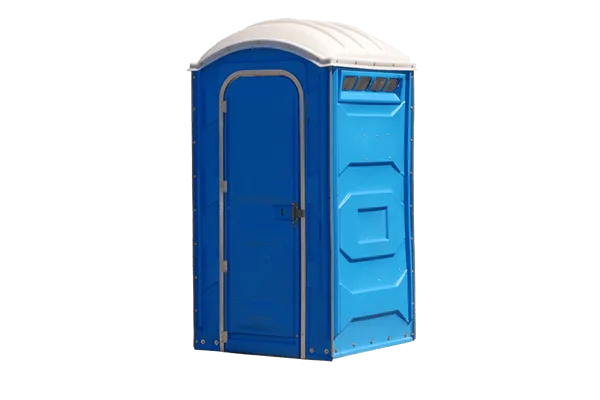
A standard portable toilet supplies an enclosed place for ordinary toilet use, with waste held in the unit for provider servicing rather than connected to a building sewer. It can support workers or visitors where fixed bathrooms are absent or unavailable. Confirm the actual cabin fittings, paper and care included; a separate washing station may be needed, and accessible users require a suitable equipment-and-route arrangement.
For a Grand Prairie property that needs a temporary toilet, start with a standard cabin and test whether it covers the actual user need. The toilet category alone does not describe washing, accessibility or the service schedule.
A household bathroom project may need a simple standalone toilet, while a work crew can also need a nearby washing point. Ask what the quoted model includes. A separate handwashing station and a sink-equipped cabin are different arrangements; confirm the features rather than inferring them from an image.
Think in two routes
People need a clear path to the door. The provider needs a vehicle approach for delivery, cleaning and removal. Mark both on the site sketch, including gates, parked vehicles and surfaces. Ask for the actual equipment and vehicle requirements before treating a measured gate as adequate.
Choose care against the pattern of use
Share users, hours and duration, including any busy days. Agree cleaning and supply replenishment with a contact who can report a problem. Review transport, collection and extensions in the quote. Keep the approach clear until equipment is removed, even after the activity has ended.
Questions before you book
Is the standard option always non-flushing?
Ask for the actual unit features. Do not use a category label as a specification.
Can delivery use the same path as guests?
Sometimes the routes differ. Have the provider review vehicle access separately from pedestrian access.